


Supporting Emotional Development

Emotional development in young children shapes how they understand themselves and relate to others. In kindergarten and childcare settings, supporting this growth is essential for building confidence, resilience, and social skills. Early emotional support lays the foundation for lifelong well-being and learning success.
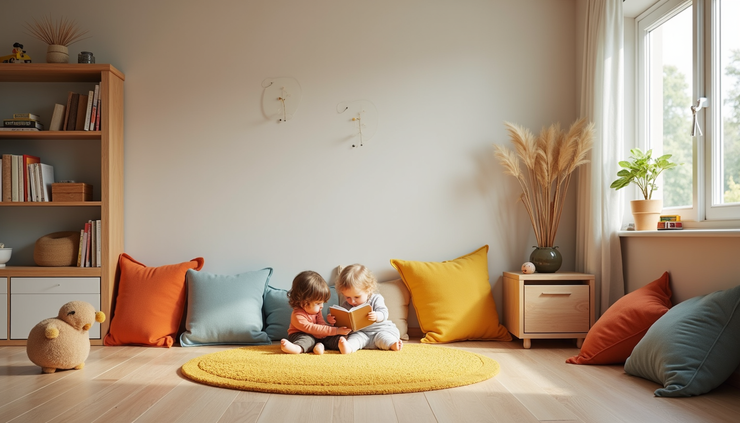
Why Emotional Development Matters in Early Childhood
Children aged 3 to 6 experience rapid emotional growth. They begin to recognize feelings like joy, frustration, and empathy. When educators and caregivers provide a safe environment for expressing emotions, children learn to manage feelings and build positive relationships.
Emotional skills help children:
Communicate needs clearly
Solve conflicts peacefully
Adapt to new situations
Develop self-control
Without support, children may struggle with anxiety, aggression, or withdrawal, which can affect their learning and social life.
Practical Ways to Support Emotional Growth
Create a Safe and Predictable Environment
Children feel more secure when routines are consistent. Clear schedules and familiar spaces reduce anxiety and help children focus on learning and socializing.
Encourage Emotional Expression
Use stories, role-play, and art to help children name and express feelings. For example, reading books about emotions can spark conversations about what characters feel and why.
Model Healthy Emotional Responses
Adults should demonstrate calmness and empathy. When a child is upset, responding with understanding rather than punishment teaches emotional regulation.
Teach Problem-Solving Skills
Guide children through conflicts by asking questions like, “What happened?” and “How can we fix this?” This approach helps children think critically about emotions and actions.
Use Positive Reinforcement
Praise children when they show kindness, patience, or courage. Recognizing these behaviors encourages repetition and builds self-esteem.
Examples from the Classroom
In one kindergarten, teachers introduced a “feelings corner” where children could go to calm down or reflect. The space included soft cushions, emotion cards, and calming objects like stress balls. Over time, children used this area to manage frustration independently.
Another childcare center incorporated daily “emotion check-ins” during circle time. Children shared how they felt using simple words or pictures. This routine helped children become more aware of their emotions and supported peer understanding.
Supporting Families in Emotional Development
Partnership with families strengthens emotional support. Sharing strategies and observations helps create consistency between home and childcare. Workshops or newsletters can provide parents with tools to encourage emotional growth.
Final Thoughts
Supporting emotional development in kindergarten and childcare is not just about managing behavior. It is about helping children understand themselves and others, which builds a strong foundation for all areas of life. By creating safe spaces, encouraging expression, and teaching skills, caregivers can nurture confident, empathetic children ready to face the world.


Comments