


New Digital Tools Enhance Classroom Learning

Classrooms today look very different from those just a decade ago. The rise of digital tools has transformed how teachers deliver lessons and how students engage with material. These new technologies offer fresh ways to make learning more interactive, personalized, and effective. This post explores some of the latest digital tools changing classrooms and how they improve the learning experience.

Interactive Whiteboards and Smart Displays
Traditional chalkboards have given way to interactive whiteboards and smart displays. These tools allow teachers to present multimedia lessons that combine text, images, videos, and interactive quizzes. Students can participate directly by touching the screen or using connected devices.
Teachers can save and share lesson notes digitally.
Students can collaborate on projects in real time.
Visual and audio elements help explain complex topics.
For example, a science teacher might use a smart display to show a 3D model of the human heart, allowing students to explore its parts in detail. This hands-on approach helps students understand better than static images in textbooks.
Learning Management Systems (LMS)
Learning Management Systems organize course materials, assignments, and grades in one place. Platforms like Google Classroom, Canvas, and Schoology have become essential for managing both in-person and remote learning.
Benefits include:
Easy access to resources anytime, anywhere.
Automated grading for quizzes and tests.
Communication tools for teacher-student interaction.
An LMS also supports personalized learning paths. Teachers can assign different tasks based on student progress, helping each learner work at their own pace.
Educational Apps and Gamification
Apps designed for education turn learning into a game-like experience. These apps use points, badges, and levels to motivate students. They cover subjects from math and reading to coding and foreign languages.
For example, apps like Kahoot! and Quizlet allow teachers to create fun quizzes that students answer live or at home. This approach increases engagement and helps reinforce knowledge through repetition and competition.
Virtual and Augmented Reality
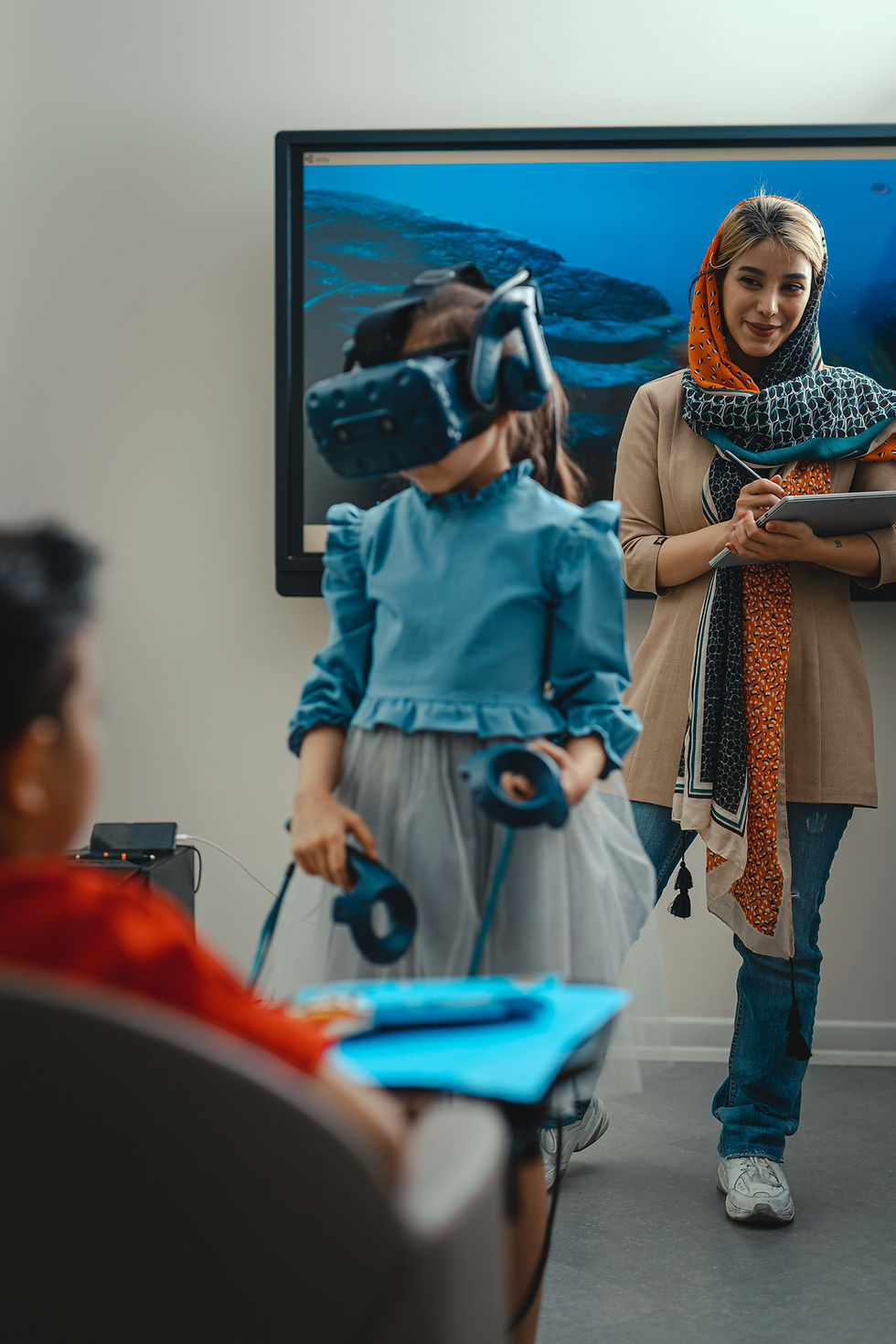
Virtual reality (VR) and augmented reality (AR) bring immersive experiences into the classroom. VR can transport students to historical sites, outer space, or inside the human body without leaving their seats. AR overlays digital information onto the real world, enhancing textbooks or lab experiments.
A history class might use VR to explore ancient Rome, while a biology lesson could use AR to display a 3D model of a cell on a student’s desk. These tools make abstract concepts tangible and memorable.
Collaborative Tools for Group Work
Digital collaboration platforms like Microsoft Teams, Zoom, and Google Meet support group projects and discussions. Students can work together on documents, presentations, and research in real time, even if they are not physically together.
These tools teach important skills such as communication, teamwork, and digital literacy. They also prepare students for future workplaces where remote collaboration is common.
Benefits of Digital Tools in the Classroom
Digital tools offer several clear advantages:
Increased engagement: Interactive content keeps students interested.
Personalized learning: Tools adapt to individual needs and pace.
Access to resources: Students can explore beyond textbooks.
Skill development: Technology use builds digital skills for the future.
Flexibility: Supports both in-person and remote learning environments.
Teachers also benefit by saving time on grading and lesson planning, allowing more focus on student support.
Challenges and Considerations
While digital tools bring many benefits, schools must address challenges such as:
Ensuring all students have access to devices and internet.
Training teachers to use new technology effectively.
Balancing screen time with traditional learning methods.
Protecting student privacy and data security.
Careful planning and ongoing support are essential to make the most of digital tools.
Moving Forward with Technology in Education
The classroom of the future will continue to evolve with technology. Schools that embrace digital tools thoughtfully can create richer, more inclusive learning environments. Teachers should experiment with different tools to find what works best for their students.
Parents and educators can support this transition by encouraging curiosity and responsible use of technology. Together, they can help students develop skills that go beyond academics, preparing them for a connected world.
Digital tools are not just gadgets; they are powerful resources that can transform education. By making lessons more engaging and accessible, these tools help students learn better and enjoy the process.


Comments