

Building Communication Skills Through Everyday Activities

Communication skills shape how we connect with others, express ideas, and solve problems. Improving these skills does not require formal training or special courses. Everyday activities offer natural opportunities to practice and strengthen communication in simple, effective ways. This post explores practical methods to build communication skills through daily routines and interactions.

Talking Through Daily Tasks
Many routine activities involve communication, even if they seem mundane. Using these moments intentionally can boost your ability to express yourself clearly and listen actively.
Grocery Shopping
When you ask for help finding items or inquire about products, you practice clear questioning and polite conversation. Try to be specific about what you need and listen carefully to responses.
Cooking Together
Preparing meals with family or friends requires sharing instructions, negotiating roles, and giving feedback. This encourages clear, respectful exchanges and teamwork.
Running Errands
Interactions with service workers, such as at the post office or bank, offer chances to practice concise explanations and polite requests. These brief conversations build confidence in speaking with strangers.
Using Technology to Enhance Communication
Technology can support communication skill development when used thoughtfully.
Voice Messages
Sending voice notes instead of texts helps practice tone, clarity, and pacing. It also encourages thinking about how words sound, not just how they look.
Video Calls
Regular video chats with friends or colleagues improve nonverbal communication, such as facial expressions and gestures. They also help with turn-taking and active listening.
Language Apps
Apps designed for language learning often include speaking and listening exercises. These tools provide structured practice and instant feedback.
Engaging in Social Activities
Social settings naturally demand communication and provide rich learning environments.
Book Clubs or Discussion Groups
Sharing opinions and responding to others’ views sharpens articulation and respectful debate skills. It also teaches how to support ideas with examples.
Volunteering
Working with diverse groups exposes you to different communication styles and challenges you to adapt your approach. It also builds empathy and patience.
Sports and Team Activities
Coordinating plays or strategies requires clear, concise communication under pressure. It also fosters trust and cooperation.
Practicing Active Listening
Communication is not just about speaking but also about listening well. Everyday moments offer chances to improve this skill.
Listening Without Interrupting
During conversations, focus on hearing the other person fully before responding. This shows respect and helps you understand their perspective.
Asking Clarifying Questions
When something is unclear, ask questions that encourage elaboration. This practice deepens understanding and keeps conversations on track.
Summarizing What You Heard
Briefly restate key points to confirm understanding. This technique prevents miscommunication and shows attentiveness.
Using Writing to Support Communication
Writing is another form of communication that can be developed through daily activities.
Journaling
Writing about your day or thoughts helps organize ideas and express feelings clearly. It also builds vocabulary and sentence structure.
Texting with Purpose
Instead of quick, vague messages, try writing clear, complete texts that convey your message effectively. This habit improves written clarity.
Email Practice
Drafting emails for work or personal matters teaches formal and informal tone adjustments. It also encourages concise and polite language.
Encouraging Children to Communicate
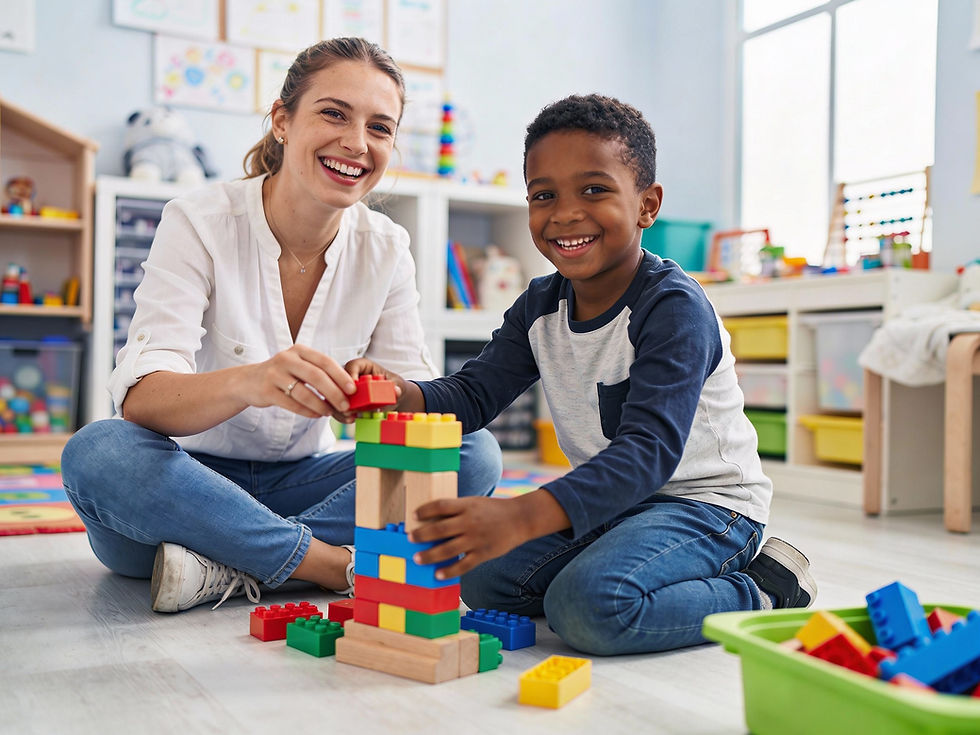
For parents or caregivers, everyday activities provide natural ways to nurture children’s communication skills.
Storytelling
Encourage children to tell stories about their day or imagination. This builds narrative skills and vocabulary.
Role-Playing
Acting out scenarios like shopping or visiting the doctor helps children practice conversational phrases and social cues.
Reading Together
Discussing books and asking questions promotes comprehension and expressive language.
Building Confidence Through Small Steps
Improving communication skills is a gradual process. Using everyday activities as practice grounds helps build confidence without pressure.


Comments