


Growing Confident, Happy Learners

Curiosity drives learning. In early childhood settings like kindergarten and childcare, nurturing curiosity every day helps children develop confidence and joy in discovering the world. When children feel safe to explore and ask questions, they build skills that last a lifetime. This post explores practical ways to encourage curiosity and create an environment where young learners thrive.
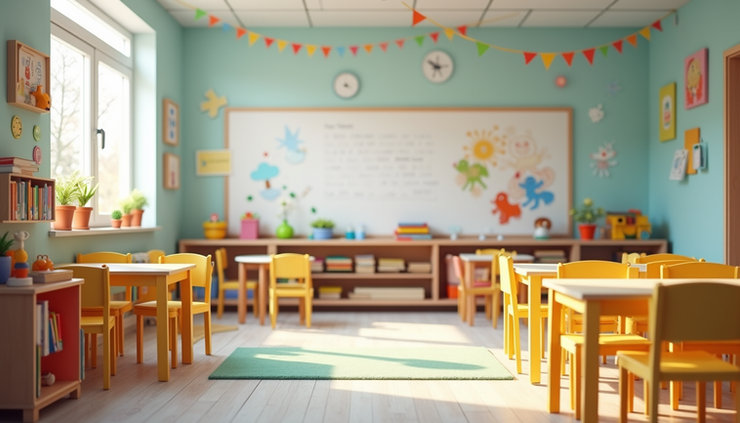
Creating a Curious Environment
The physical space plays a big role in sparking curiosity. Classrooms should invite children to explore through hands-on activities and open-ended materials. For example:
Learning stations with puzzles, blocks, and natural objects encourage problem-solving.
Books and visual aids placed at child height invite independent discovery.
Outdoor areas with plants, sand, and water offer sensory experiences that prompt questions.
Organizing the space so children can move freely and choose activities supports their natural desire to learn. When children feel in control of their environment, they become more engaged and confident.
Encouraging Questions and Exploration
Curiosity grows when children feel their questions matter. Teachers and caregivers can:
Listen actively and respond with interest.
Encourage children to think aloud and share ideas.
Offer open-ended prompts like “What do you think will happen if…?” or “How could we find out?”
For example, during a nature walk, a child might ask why leaves change color. Instead of giving a quick answer, a teacher might suggest observing leaves over time or reading a story about seasons. This approach helps children develop critical thinking and a love for learning.
Supporting Emotional Confidence
Confidence and happiness go hand in hand with curiosity. Children who feel supported emotionally are more willing to take risks and try new things. Ways to build this include:
Celebrating small successes and efforts, not just results.
Creating a safe space where mistakes are seen as learning opportunities.
Encouraging peer collaboration to build social skills and shared discovery.
When children know their ideas are valued and they can explore without fear, they develop resilience and a positive attitude toward learning.
Integrating Curiosity into Daily Routines
Curiosity doesn’t only happen during structured activities. It can be part of everyday moments:
Asking children to predict outcomes during snack time, like what happens when mixing different fruits.
Using storytime to spark imagination and questions about characters and settings.
Inviting children to help plan activities or choose topics for projects.
These small moments add up, making curiosity a natural part of daily life in childcare and kindergarten.


Comments